


Summary
Royal Canin Indoor 7+ is a dry cat food designed for indoor cats aged seven and older.
It focuses on supporting vitality, kidney function, and digestion during the early senior years.
The primary ingredients are maize, dehydrated poultry proteins, barley, and maize flour, with L.I.P. proteins selected for their high digestibility to reduce stool volume and odor.
The formula contains 26.5% crude protein and 13% fat, providing a moderate energy balance suitable for less active senior cats.
Key nutrients include EPA and DHA (0.4%) for joint health, vitamin C and green tea polyphenols for antioxidant support, and a controlled phosphorus level (0.7%) for renal protection.
Digestive health is further enhanced by beet pulp, vegetable fibers, psyllium, and prebiotics like fructo-oligosaccharides.
Glucosamine and hydrolyzed cartilage (source of chondroitin) are included to support joint mobility, alongside antioxidants to support aging immunity.
Crude ash is 7.2%, and moisture content is standard for dry foods, making this a well-rounded option for aging indoor cats with emerging health concerns.
Nutrition
Ingredients
- Maize
- Dehydrated Poultry Proteins
- Barley
- Maize Flour
- Wheat
- Hydrolysed Animal Proteins
- Animal Fats
- Wheat Gluten*
- Maize Gluten
- Beet Pulp
- and also:
*L.I.P.: protein selected for its very high digestibility
Vitamins and Additives
- Vitamin A 24400 IU
- Vitamin C 310 mg/kg
- Vitamin D3 934 IU
- and also:
Technological additives: Clinoptilolite of sedimentary origin 5 g
Zootechnical Additives: Ammonium chloride: 5 g - Antioxidants
Guaranteed Analysis
Notes
Guaranteed Analysis
More products from Royal Canin


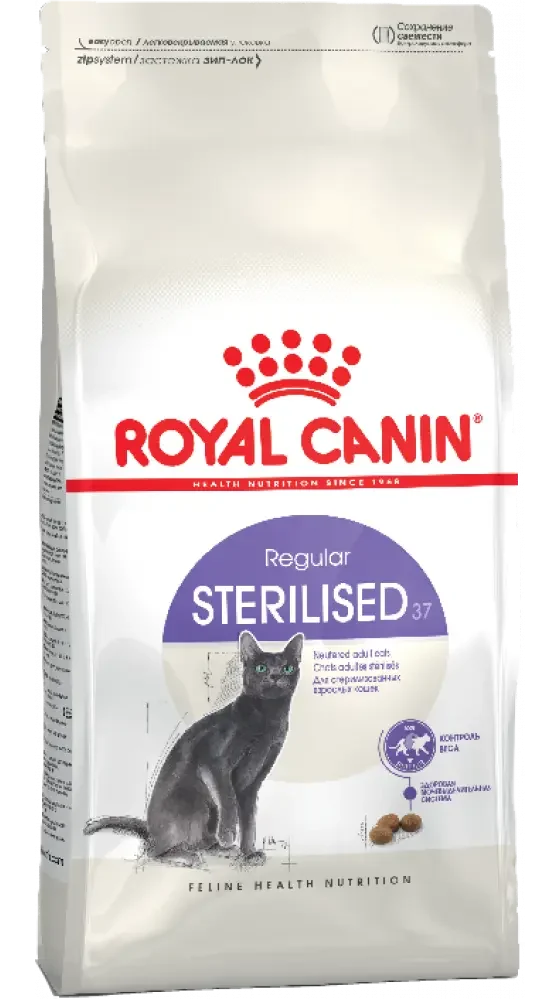


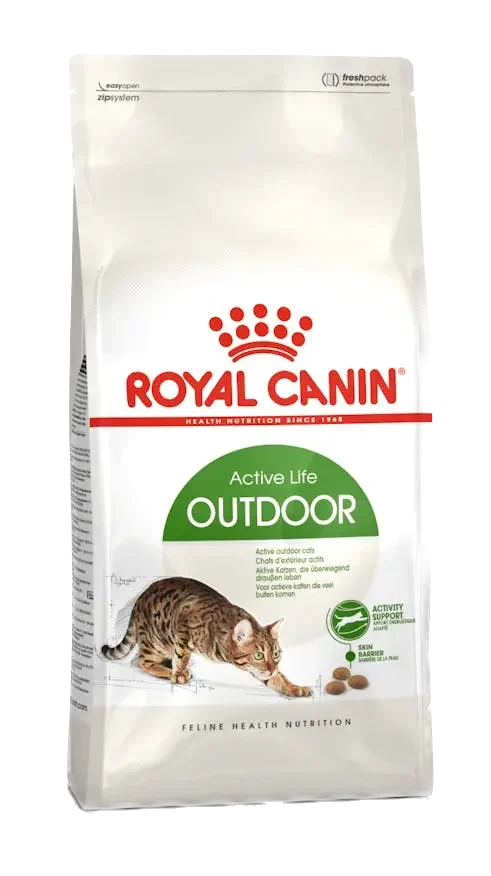


Alternative Products
We compare key factors such as overall score, life stage, and category, along with core nutritional values like protein, fat, fiber, and metabolizable energy.
While not identical, these products fall within a defined range to offer nutritionally comparable options.


Found a mistake?
Missing info?
Provide as many details as possible about Royal Canin: Indoor 7+ so we can make it better!
Thank you!
How the score is calculated?
The actual calculation of the score is based on sophisticated and advanced algorithm that takes into account multiple parameters.
To simplify the explanation, the calculation is based on three main criteria:
(1) Amount of protein (more is better)
(2) Amount of carbohydrates (less is better)
(3) Quality and source of ingredients.
Based on that 3 main criteria, 9 score calculation rules are used to compare the different foods.
One major assumption is that the closer an ingredient is to the top of the ingredient list, the greater its relative weight and contribution to the food.
In general, cat food is composed of protein, fats, carbohydrates, fibers, vitamins, and minerals.
Protein is the most important component in a cat's diet, and cats primarily get their protein from animal meat.
Fat is a primary source of energy and essential fatty acids.
Carbohydrates are controversial in a cat's diet, as cats are obligate carnivores and typically consume very few carbohydrates.
Fibers play an important role in digestion and food absorption, and vitamins and minerals are essential for different organism functions.
Dry matter values are used to compare the amount of nutrients in different cat foods. This means that moisture is excluded from the equation to provide a more accurate comparison.
Putting all of these and more into a formula results in a product score.
The maximum score a cat food can receive is 100. Points are added or removed based on the score calculation rules.
Didn't find a dry food?
Provide as many details as you can so we can analyze the missing product and add it.
[quillforms id="14695" width="100%" min_height="500px" max_height="auto"]